Why Is Road Safety Awareness Important?
Every time we step out of our homes—whether walking, driving, or riding—we use the road. Roads connect us to work, school, friends, family, and daily activities. But roads also come with risks. Every year, thousands of people lose their lives or get seriously injured in accidents that could have been prevented. This is why road safety awareness is so important.
In this blog, we’ll explain why road safety matters, how awareness can save lives, and what simple steps everyone can take to stay safe.
Understanding Road Safety
Road safety means following rules and practices that reduce accidents and injuries on the road. It is not just the responsibility of drivers—pedestrians, cyclists, motorbike riders, and even passengers play a role in keeping roads safe.
Road safety awareness is about:
- Knowing traffic rules and signs
- Practicing safe behaviour while walking, driving, or riding
- Encouraging others to follow safety measures
- Preventing accidents before they happen
Why Road Safety Awareness Is Important
- It Saves Lives
The main goal of road safety awareness is to prevent accidents. Simple actions like wearing a seatbelt, slowing down in school zones, or wearing a helmet can make the difference between life and death. - Reduces Injuries
Not all accidents are fatal, but many cause serious injuries that can affect a person’s health and daily life forever. Safety measures like using child car seats, following speed limits, and avoiding distracted driving help reduce these risks. - Protects Vulnerable Road Users
Pedestrians, cyclists, children, and the elderly are more at risk in road accidents. Awareness teaches drivers to respect pedestrian crossings, give way to cyclists, and be extra careful in crowded areas. - Lowers Financial Costs
Accidents come with high costs—medical bills, vehicle repairs, loss of work, and even legal expenses. By preventing accidents, road safety saves money for individuals, families, and governments. - Builds Safer Communities
When people follow road safety rules, neighborhoods become safer. Parents feel more confident letting children walk to school, and people can travel without constant fear of accidents.
Common Causes of Road Accidents
- Over-speeding
- Drunk or distracted driving (like using a mobile phone)
- Ignoring traffic signals and signs
- Poor road conditions
- Lack of proper helmets or seatbelts
- Careless pedestrian crossing
Most of these causes are avoidable with awareness and responsibility.
How Awareness Helps Prevent Accidents
Road safety awareness is not just about knowing rules—it is about practicing them daily. For example:
- Awareness about helmets leads more riders to wear them, reducing head injuries.
- Awareness about drunk driving helps people arrange alternate travel after drinking.
- Awareness about speed limits reminds drivers to slow down, especially near schools or hospitals.
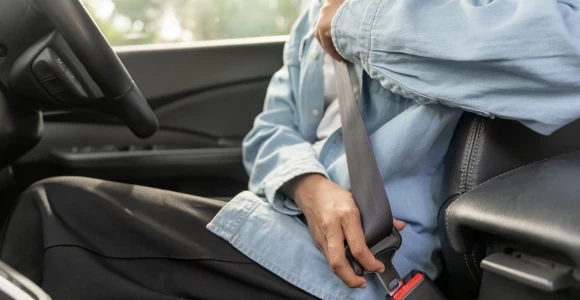
- Awareness about seatbelts ensures both drivers and passengers are protected.
When people understand the “why” behind safety measures, they are more likely to follow them.
Simple Road Safety Tips Everyone Should Follow
For Drivers & Riders
- Always wear seatbelts and helmets.
- Follow traffic signals and signs.
- Avoid using mobile phones while driving.
- Don’t drive under the influence of alcohol or drugs.
- Keep a safe distance from other vehicles.
- Respect speed limits.
For Pedestrians
- Use pedestrian crossings or footbridges.
- Look both ways before crossing the road.
- Avoid walking while distracted by phones.
- Wear bright clothes at night for visibility.
For Parents & Children
- Teach children basic road rules early.
- Always use child car seats or seatbelts.
- Supervise young kids near roads.
Role of Education and Campaigns
Governments, schools, and organizations run road safety campaigns to raise awareness. These include:
- School programs teaching children road rules from an early age.
- Community workshops for drivers and riders.
- Media campaigns highlighting dangers of speeding, drunk driving, or not wearing helmets.
- Strict law enforcement to make sure people follow rules.
Education makes people more responsible and creates a culture of safety.
Road Safety Is Everyone’s Responsibility
One important thing to remember: road safety is not only for drivers. Pedestrians, cyclists, and passengers must also be alert. For example, crossing the road without looking or distracting a driver can also cause accidents.
If everyone takes responsibility—by being aware, alert, and disciplined—roads will be safer for all.
Final Thoughts
Road safety awareness is more than just following rules—it’s about protecting lives. Every accident prevented means a life saved, an injury avoided, and a family spared from pain.
By being aware, practicing safe habits, and encouraging others to do the same, we can make our roads safer and reduce accidents. Whether you’re a driver, rider, or pedestrian, your role matters.
Let’s make road safety a habit, not just a rule.